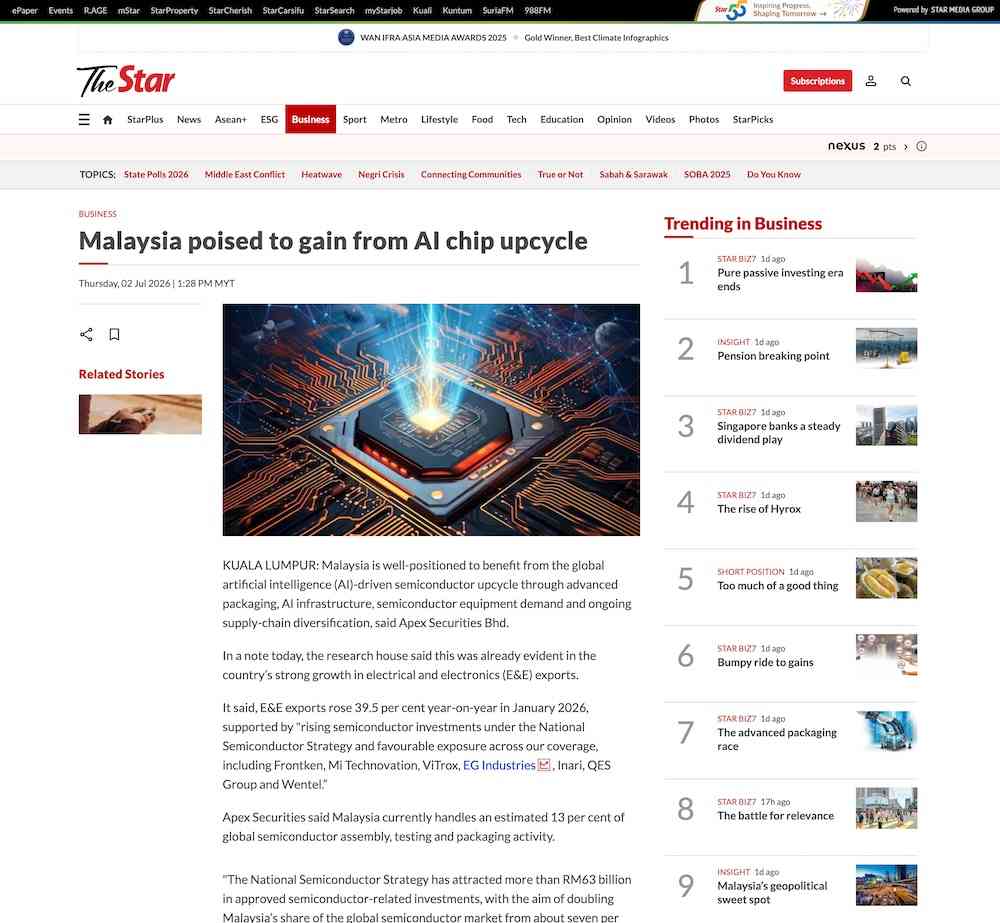
Malaysia Poised to Gain from AI Chip Upcycle
Malaysia positions itself to capture downstream semiconductor manufacturing as AI infrastructure demand surges globally. Country attracts chip assembly, testing, and packaging operations from major chipmakers. Semiconductor sector already accounts for significant portion of manufacturing exports. Capacity expansion and workforce availability support positioning as regional hub for non–leading–edge chip production.
Editor’s View: AI boom drives semiconductor geography. Malaysia offers capacity at lower costs than Taiwan, South Korea. Question: whether Malaysia graduates beyond assembly into higher–margin design or remains perpetually trapped in back-end manufacturing. Execution speed matters more than capacity.
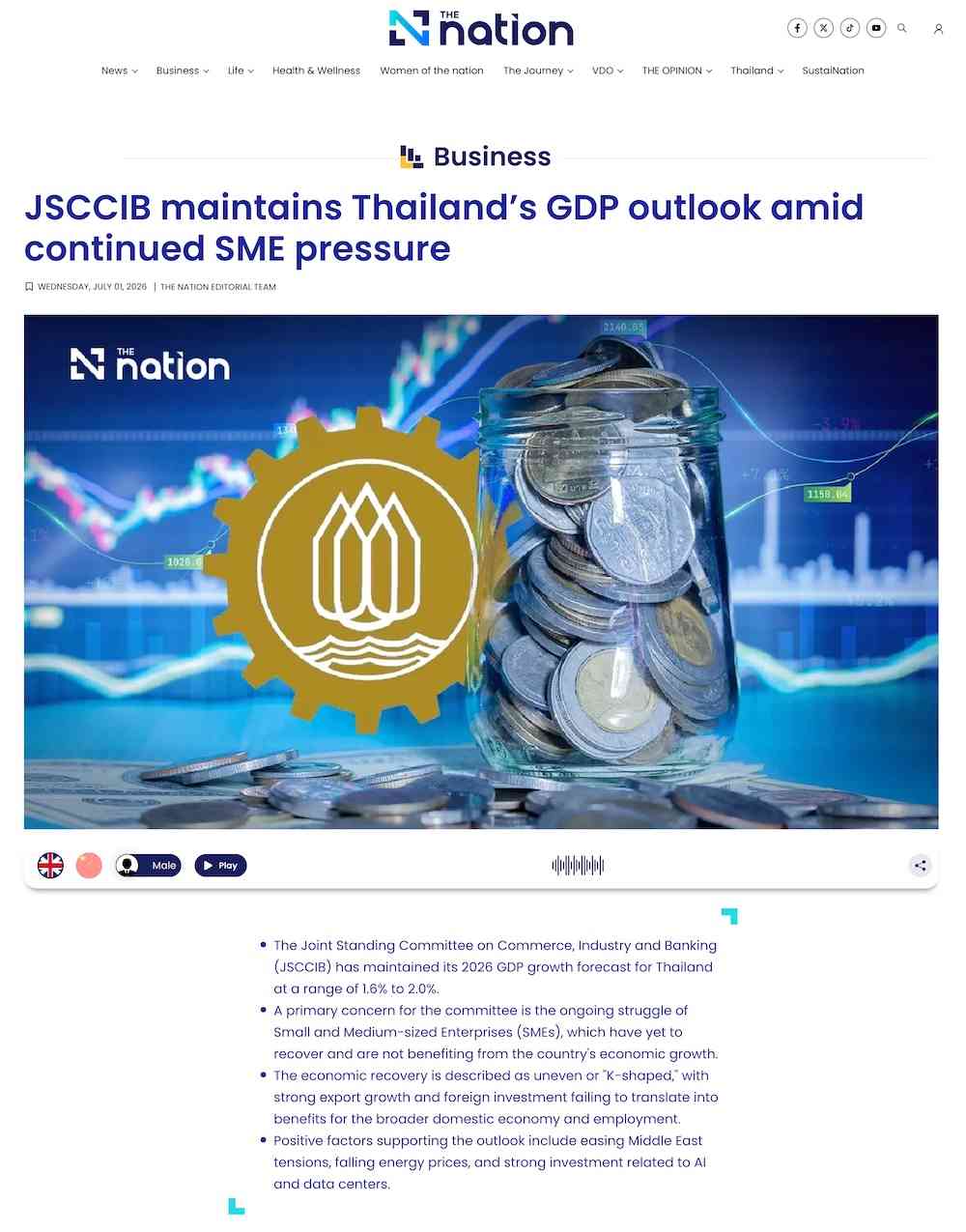
JSCCIB Maintains Thailand’s GDP Outlook Amid Continued SME Pressure
Joint Standing Committee on Commerce, Industry and Banking maintains Thailand’s GDP growth outlook despite mounting pressure on small and medium–sized enterprises. SME sector faces headwinds from energy costs, labour constraints and supply chain volatility. Broader economy shows resilience; sectoral divergence widening between export–oriented manufacturers and domestic–focused SMEs.
Editor’s View: Thailand’s aggregate numbers mask SME stress. Large exporters adapt to energy shocks; SMEs absorb costs they cannot pass through. Overall GDP forecasts hide the divergence between sectors. Real story: whether recovery lifts small firms or widens competitive moat for established players.
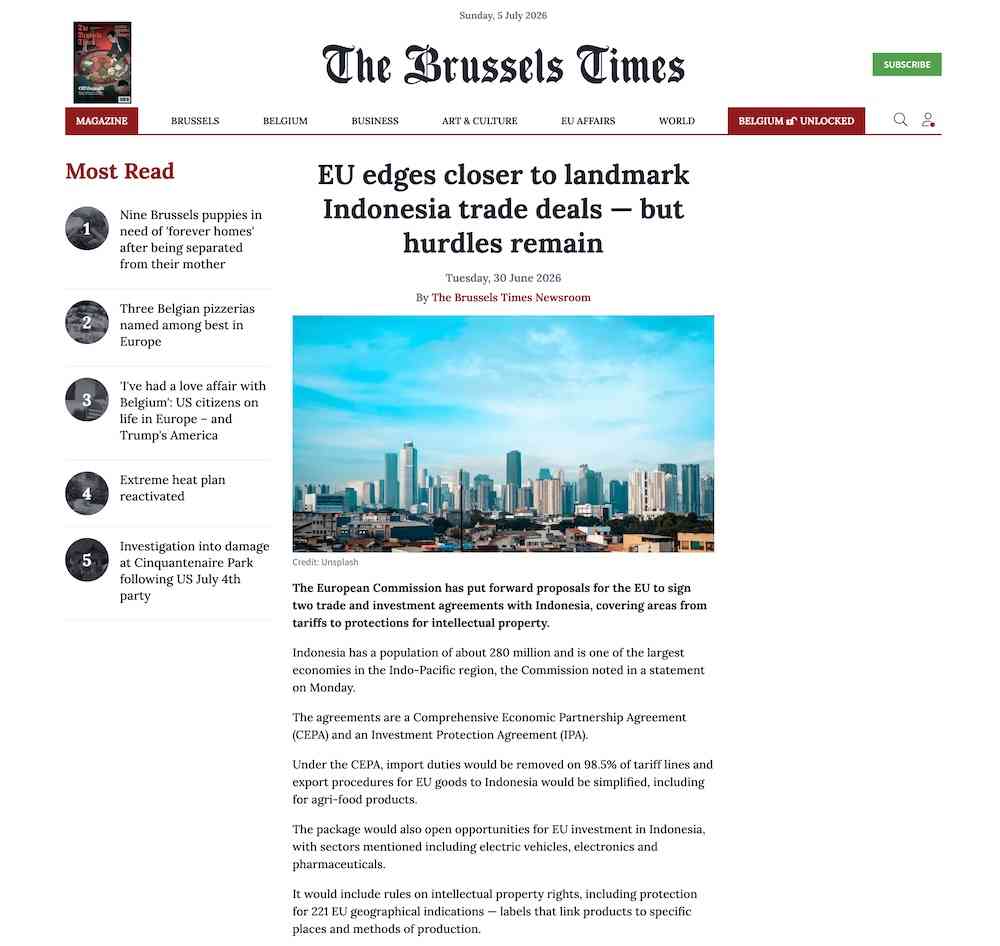
EU Edges Closer to Landmark Indonesia Trade Deals, But Hurdles Remain
European Union and Indonesia progress toward comprehensive trade agreements covering goods, services and intellectual property. Negotiations tackle labour standards, environmental commitments, deforestation clauses – areas where ASEAN nations historically resist alignment. Brussels signals willingness to conclude by end–2026; Jakarta balances EU pressure against competing interests from China.
Editor’s View: EU wants commitments Indonesia resists. Labour, environment, deforestation standards require structural change. Jakarta plays multiple partners – EU wants access, China offers capital. Negotiation timeline accelerates when leverage shifts. Watch whether EU concedes on labour standards to secure deal.
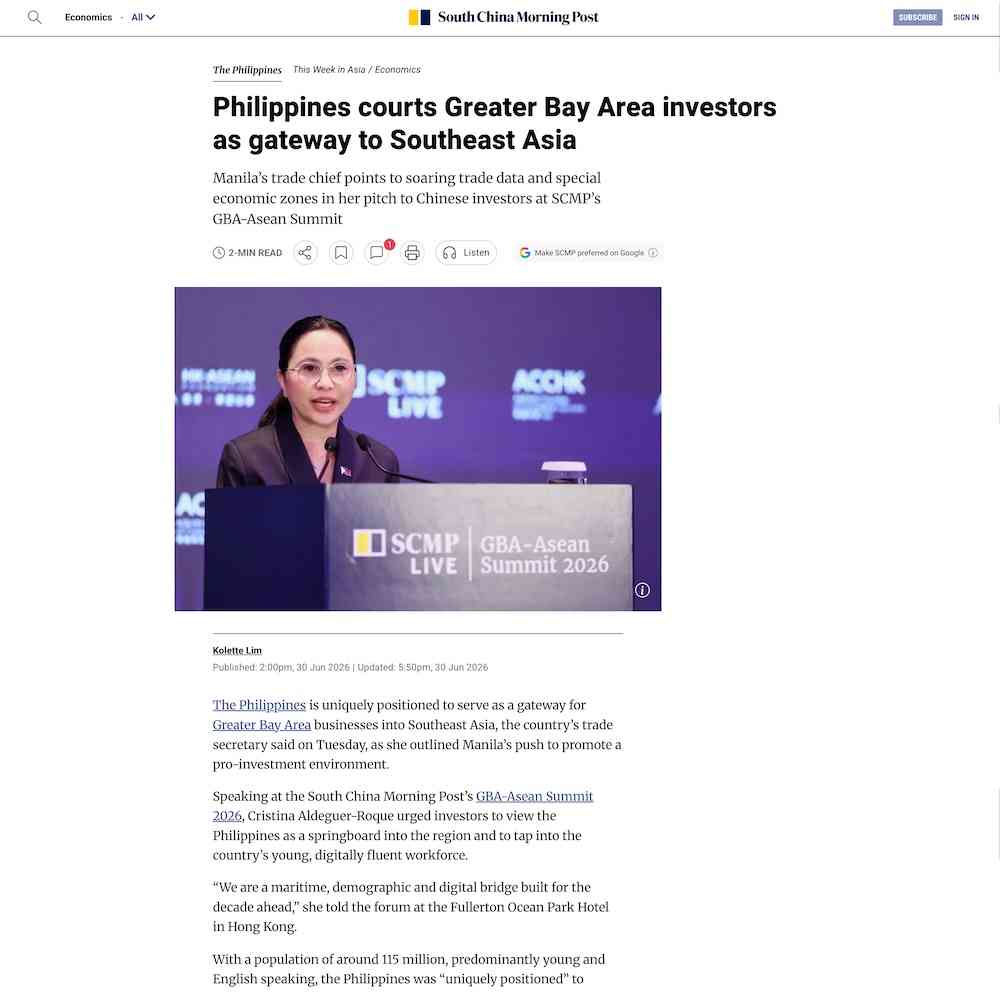
Philippines Courts Greater Bay Area Investors, Positions Itself as Southeast Asia’s Digital Gateway
Philippines targets Greater Bay Area enterprises – Hong Kong, Shenzhen, Guangzhou firms – as primary investment focus. BCDA positions Philippines as “digital bridge” into Southeast Asia. GBA companies investing in AI, semiconductors, software development, and data centres. Infrastructure readiness and regulatory frameworks cited as competitive advantages over Thailand, Vietnam.
Editor’s View: Philippines pitches itself as gateway to Southeast Asia for GBA capital. Positioning works if execution delivers – power, connectivity, regulatory speed. Thailand, Vietnam have established track records. Philippines must execute faster to overcome incumbency advantage competitors already hold.
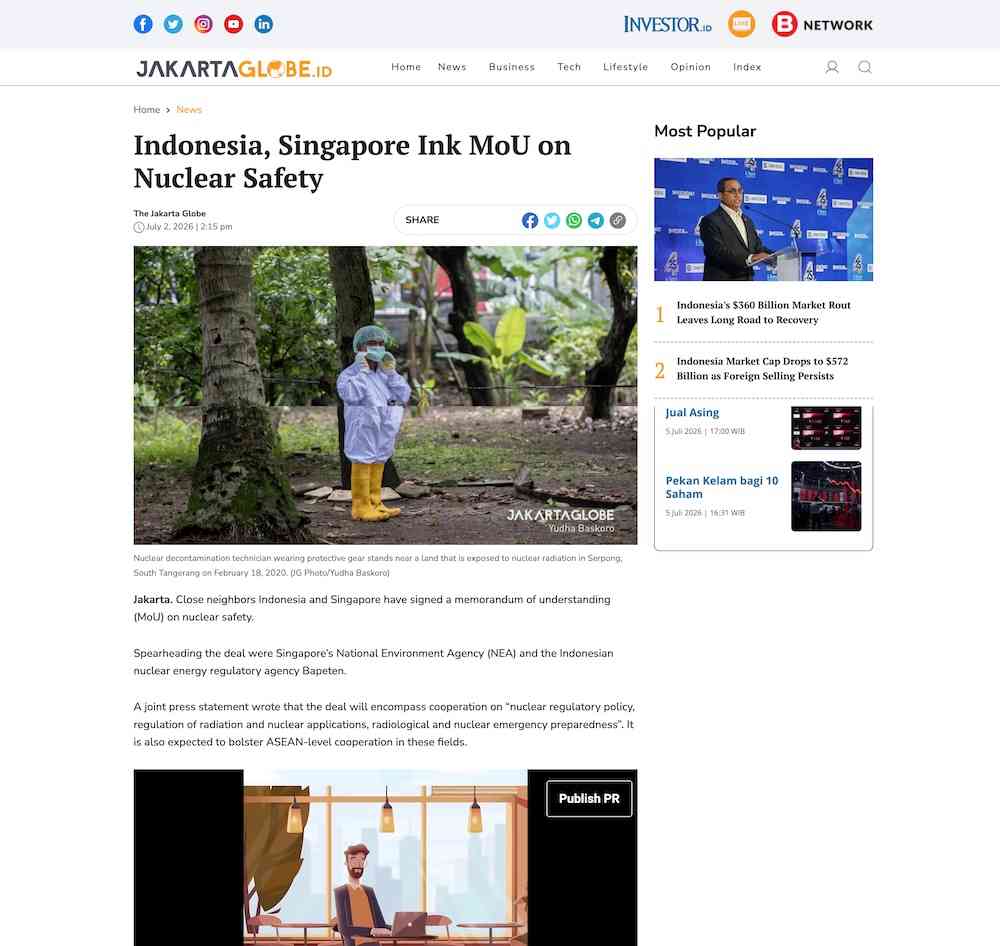
Indonesia, Singapore Ink MoU on Nuclear Safety
Singapore’s National Environment Agency and Indonesia’s Bapeten sign memorandum of understanding on nuclear safety cooperation. Deal covers regulatory policy, radiation oversight, emergency preparedness. Signals Singapore’s exploration of nuclear in future energy mix; positions ASEAN as region exploring nuclear alongside renewables. Partnership frames nuclear as regional security architecture issue.
Editor’s View: Singapore explores nuclear energy; Indonesia offers regulatory partnership. Cooperation makes sense – proximity creates shared risk. Real test: whether Singapore executes nuclear deployment or pivots back to renewables when costs accelerate. Signing an MoU is easy. Actually building nuclear infrastructure takes decades.