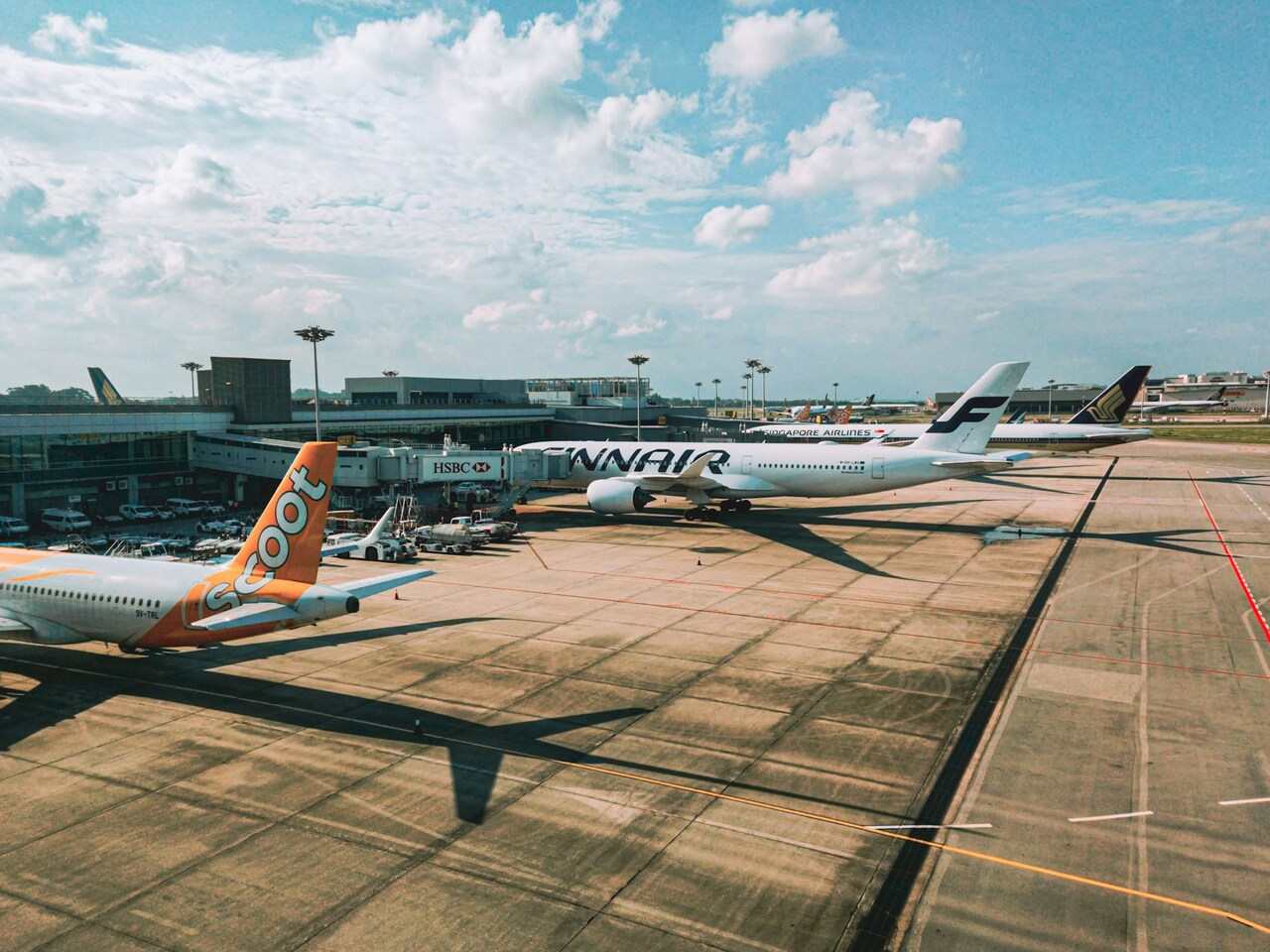
Singapore got fortunate with spectrum allocation. The Republic’s 5G networks operate at 3.45-3.65 GHz, comfortably distant from the 4.2-4.4 GHz band used by aircraft radio altimeters. That technical choice – made years ago during spectrum planning – means Singapore Airlines pilots haven’t reported a single interference incident.
But Singapore Airlines operates routes across 60 cities in Asia. And not every ASEAN country made the same spectrum choices.
The Fragmentation Problem
Malaysia deployed 5G at 3.5 GHz through Digital Nasional Berhad, its single wholesale network provider. Thailand launched 5G services using 700 MHz and 2.6 GHz bands, with full C-band allocation still pending. Indonesia – Southeast Asia’s largest aviation market by geography – has yet to allocate the C-band spectrum at all, planning instead to use 2.3 GHz and millimeter-wave frequencies.
The Philippines assigned 240 MHz in the 3.3-3.6 GHz range for 5G back in 2019, becoming ASEAN’s first mover. Vietnam auctioned 2.5-2.6 GHz spectrum in early 2024 as part of its Digital Infrastructure Master Plan.
Each country made independent spectrum decisions based on domestic telecom priorities, incumbent users and regulatory capacity. The problem? Airlines don’t operate within single jurisdictions. A Singapore Airlines flight from Changi to Jakarta crosses multiple 5G regulatory environments in hours.
Why Radio Altimeters Matter
Radio altimeters measure an aircraft’s height above ground by transmitting radio waves downward and timing their reflection. During landing – particularly in low visibility – this data becomes critical for automated systems and pilot decision-making. The International Air Transport Association notes that interference can disrupt communications and navigation systems, forcing pilots to rely on manual procedures that increase workload and reduce efficiency.
Here’s the challenge though: voluntary 5G safeguards protecting aviation are expiring. Canada’s mitigations lapsed on 1st January, 2026. Australia’s end April 1, 2026. The United States plans to remove existing 5G protections in 2028. Meanwhile, next-generation radio altimeters resistant to 5G interference won’t be widely available until the early 2030s.
That creates a mitigation gap spanning years and ASEAN countries, still rolling out 5G infrastructure, haven’t coordinated on aviation protection measures at all.
The Operational Implications
Nick Careen, IATA’s senior vice-president for operations, safety and security, captured the regulatory challenge: “Right now there are no real standards internationally on how to deal with 5G”, he said at IATA’s December 2025 global media day in Geneva.
For regional carriers, this fragmentation translates to operational complexity. An airline like Thai Airways, operating across ASEAN and beyond, must navigate different 5G deployment approaches in every market. Indonesia’s spectrum choices differ from Malaysia’s. Vietnam’s approach differs from the Philippines’. Singapore’s safe distance provides no protection when aircraft land in Jakarta or Manila where spectrum allocations sit closer to aviation bands.
The costs accumulate quickly. IATA estimates airlines have already spent $650 million on temporary 5G interference mitigation – costs that will rise significantly once next-generation altimeters become available. Supply chain constraints, aircraft downtime for equipment replacement and increased insurance premiums all flow from regulatory uncertainty.
What Singapore’s Success Actually Reveals
Singapore’s Civil Aviation Authority conducted live trials that flagged no significant interference to aircraft operations. The authority works closely with the Infocomm Media Development Authority, local telecommunications companies and international aviation regulators to assess 5G impacts continuously.
But Singapore’s success story contains an uncomfortable lesson for the region: spectrum allocation decisions made years ago for telecom efficiency now have aviation safety implications that individual countries cannot solve alone.
ASEAN’s institutional coordination on technical standards remains limited. Each member state prioritises domestic telecom revenue and 5G deployment speed. Aviation safety, which requires regional cooperation because aircraft cross borders constantly, becomes secondary to national telecommunications policy.
The $650 Million Problem Airlines Don’t Talk About
That’s just the beginning. Once next-generation radio altimeters become available in the early 2030s, airlines face massive retrofit costs.
Supply chain constraints could stretch timelines by years
These costs hit directly on narrow margins
Singapore Airlines may avoid much of this because Singapore’s spectrum allocation already sits safely distant from aviation frequencies.
But every route to Jakarta, Bangkok, Manila or Kuala Lumpur crosses jurisdictions where interference risks remain undefined.
How much has management budgeted for altimeter upgrades?
The Investment Question
For institutional investors evaluating ASEAN aviation and telecommunications exposure, regulatory fragmentation creates valuation complexity. Airlines operating regional networks face different risk profiles depending on which countries’ spectrum decisions create interference potential. Airport infrastructure investments must consider whether 5G deployments near runways will eventually require costly mitigation measures.
The telecommunications sector faces similar uncertainty. Will ASEAN regulators eventually mandate power limits, antenna adjustments or exclusion zones around airports? Those requirements would increase deployment costs and potentially delay 5G rollout timelines that investors have already priced into valuations.
What Coordination Could Look Like
Western markets demonstrate that coordination is possible even if imperfect. While Canada, Australia and the United States face the same altimeter challenges, they’ve at least established temporary mitigation frameworks and timelines. ASEAN has yet to do either.
ASEAN could convene telecommunications and civil aviation regulators to establish minimum aviation protection standards for 5G deployments near airports. This wouldn’t require harmonising entire spectrum strategies – just ensuring that however countries deploy 5G, aircraft can land safely.
Such coordination would benefit both industries. Telecommunications companies would gain regulatory certainty for infrastructure investments. Airlines would reduce operational complexity and insurance costs. Airport operators could plan capital expenditures knowing the interference risk framework.
The Window Narrowing
Singapore’s 5G deployment shows that aviation-safe spectrum allocation is achievable. But as ASEAN neighbors roll out 5G rapidly – often prioritising coverage and speed over aviation coordination – the window for establishing regional safety standards is closing.
By the time next-generation resilient altimeters become available in the early 2030s, ASEAN will have locked in spectrum allocation decisions for years. If those decisions create interference risks that Singapore avoided, regional airlines will spend the decade managing operational complexity that better coordination could have prevented.
The question isn’t whether ASEAN countries should slow 5G deployment. It’s whether they can coordinate enough to ensure that pilots landing in Jakarta face the same interference-free environment that Singapore engineered years ago through fortunate spectrum choices and strong regulatory oversight.
Right now, the evidence suggests they’re not even trying. And that gap – between technical possibility and institutional coordination – will define aviation operational costs across Southeast Asia for the next decade.