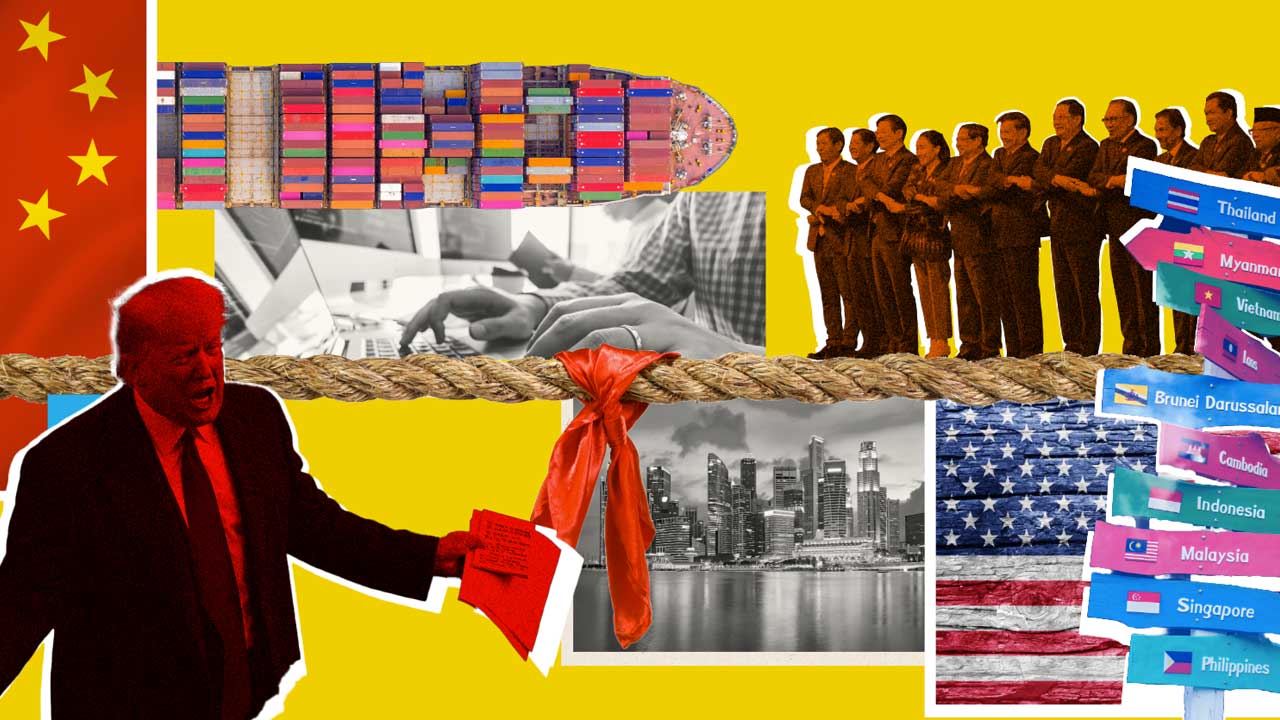
With the recent inauguration of Donald Trump and the subsequent slew of executive orders, leaders across Southeast Asia are moving cautiously, fully aware that U.S.-China tensions could escalate into a regional geopolitical tug-of-war.
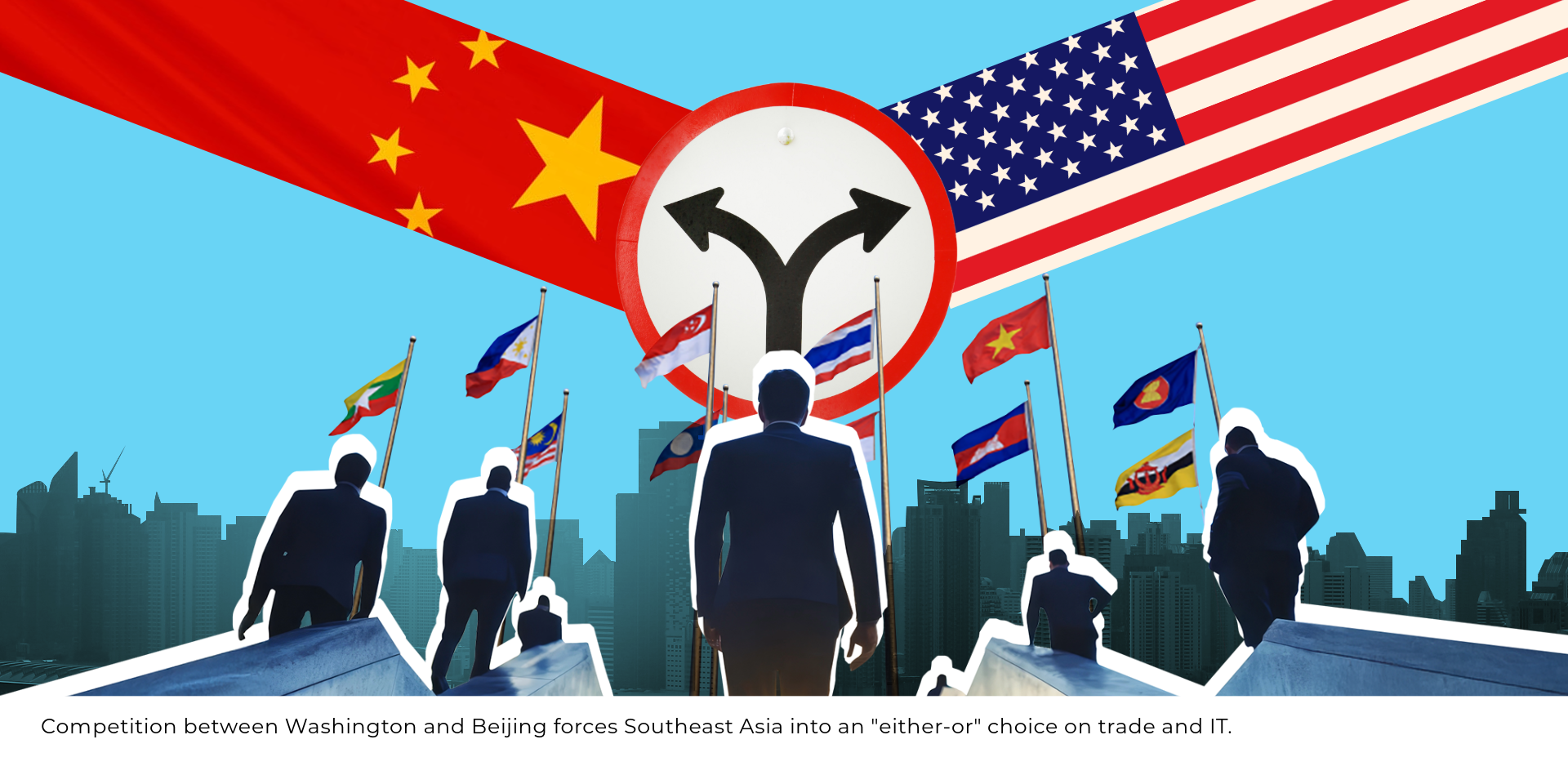
As the two largest economies in the world vie for dominance, Southeast Asian countries find themselves under increasing pressure to pick sides.
However, the Association of Southeast Asian Nations’ (ASEAN) trade relationships with both powers, particularly in manufacturing, technology, and services, means that individual member states could draw the ire of either side purely by pursuing their respective national interests.
ASEAN has been a beneficiary of a free, stable global environment
Stuck in the Middle
This is unprecedented for ASEAN. Even the first version of the Trump Administration was not this starkly demanding – a Hobson’s Choice of no return!
At stake for ASEAN is more than just economic stability with the largest trading partners. It could have consequential repercussions on the next generation of ASEAN growth.
While shifting supply chains represent finely balanced opportunities for Southeast Asia, the potential divergence, as well as the development of alternative digital, commerce, social media and even financial ecosystems foretells a dystopian, Orwellian future – a balancing act between two “Big Brothers”.
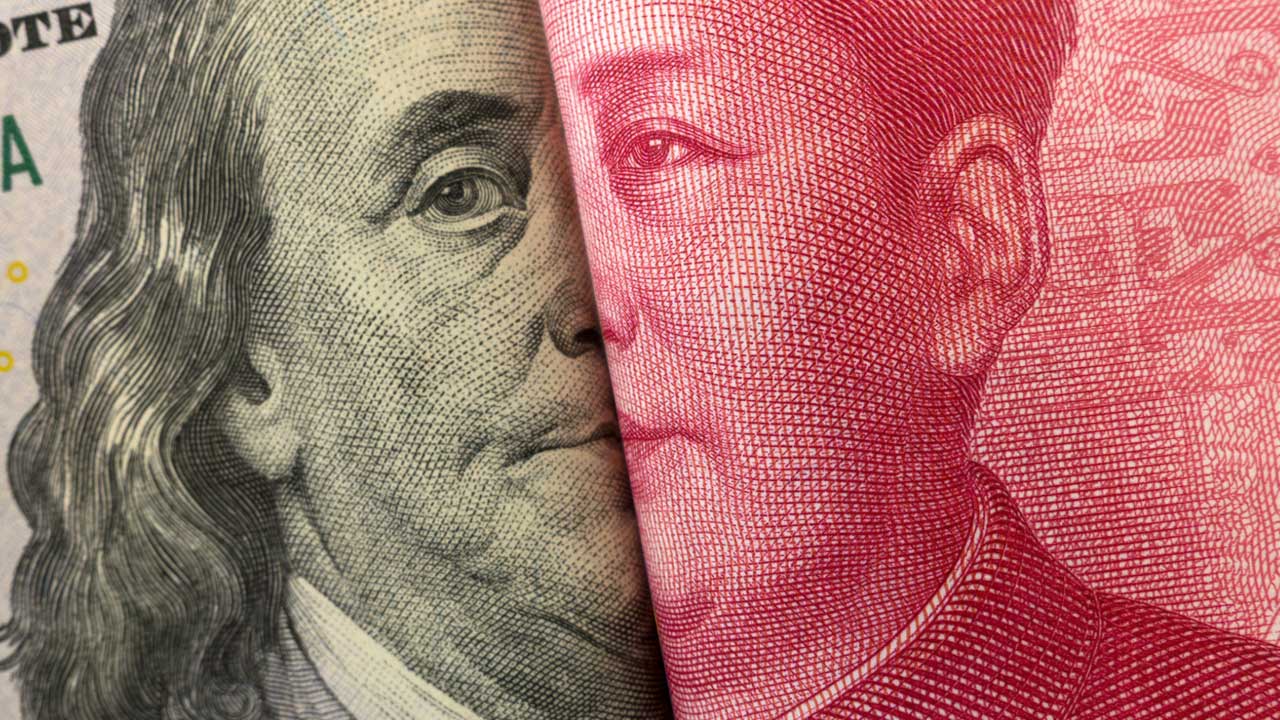
With China-made goods hit by more tariffs, we can expect multinationals to further move production to countries like Vietnam and Thailand, as they have previously, to avoid punitive measures.
Vietnam, in particular, is a major beneficiary, with its export-driven economy seeing a significant uptick in foreign direct investment (FDI) in recent years. Similarly, Malaysia and Thailand have enjoyed increased investments in manufacturing, especially in the electronics and automotive sectors. These shifts could bolster economic growth and create jobs in the region.
The potential economic growth would not only fatten and strengthen the ASEAN bloc’s coffers but also influence U.S. policy-making, according to experts in the region.
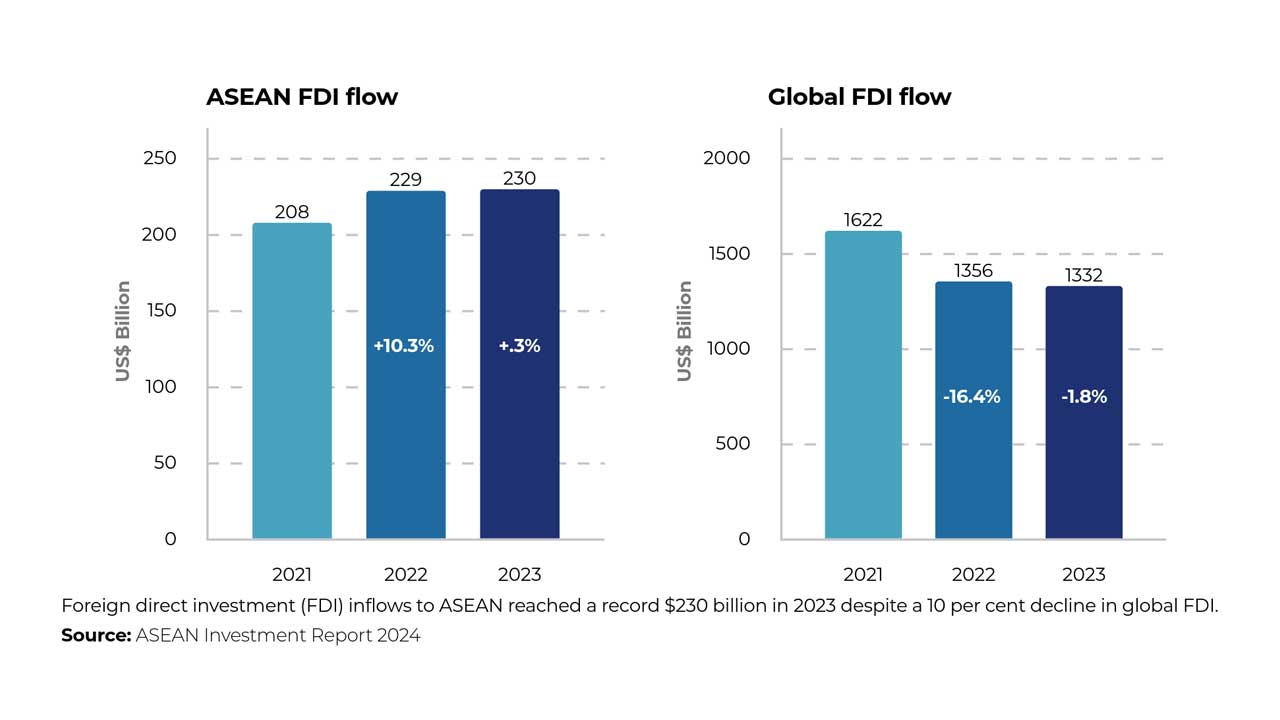
However, the risks are equally significant. If the trade war escalates or if geopolitical tensions worsen, Southeast Asia’s dependence on global supply chains could backfire.
The region’s reliance on the U.S. and China markets for exports, coupled with vulnerabilities in supply chain disruptions, could lead to greater economic instability. This exposure, especially in a volatile global environment, makes Southeast Asia highly susceptible to external shocks that could derail growth.
“ASEAN has been a beneficiary of a free, stable global environment,” said Sharon Seah, Senior Fellow and Coordinator at the ASEAN Studies Centre and the Climate Change in Southeast Asia Programme, ISEAS–Yusof Ishak Institute.
“But with the changes (Donald) Trump’s presidency will usher in, the biggest challenge for (the bloc) will be figuring out how to navigate these changes and find opportunities… to continue to thrive in unfamiliar territory,” she added.
Debt: The Economic Stress Test
While Southeast Asia’s trade and investment landscape is in flux, another major challenge is the rising levels of private debt, particularly household debt. According to Moody’s Ratings, higher interest rates have contributed to higher household debt, increasing asset risks, and weakening the credit profiles of ASEAN banking systems.
If a global or regional economic shock were to trigger a financial crisis, Southeast Asia’s high private debt levels could exacerbate the situation.
In countries like Thailand, where household debt has reached historic highs, even a mild economic downturn could result in widespread defaults, leading to a credit crunch and possibly deepening recession. Malaysia, with its reliance on both domestic and external debt, faces a similar risk.
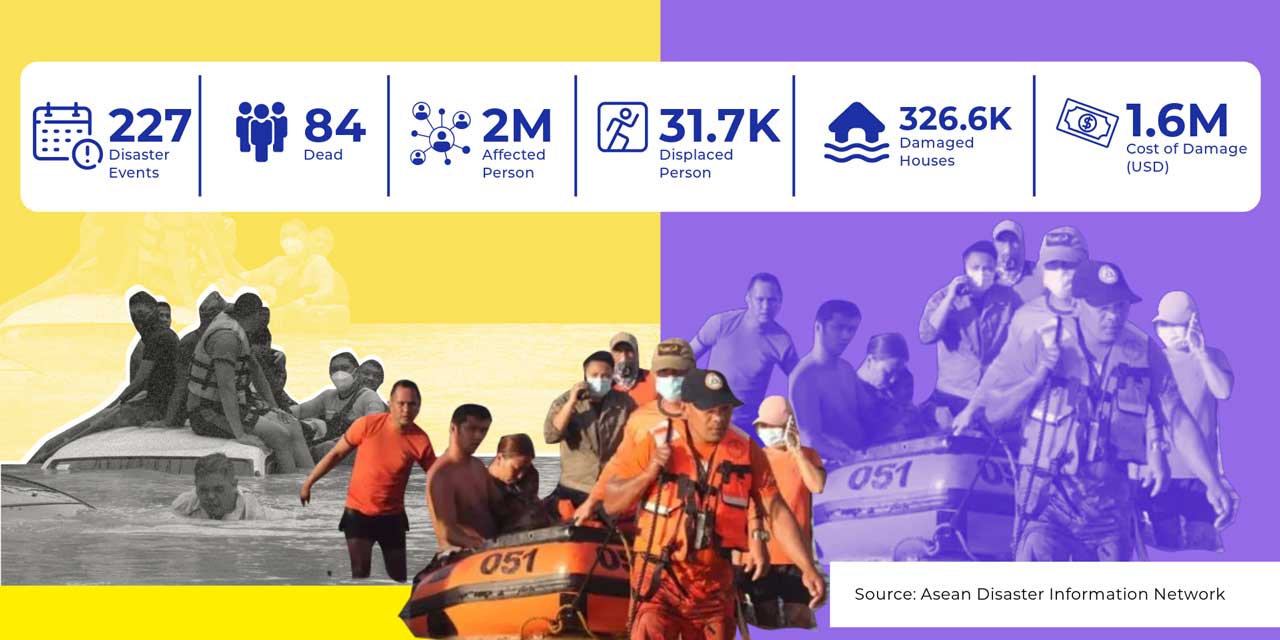
For Eunmi Park, Kevin Cheng, Leilei Lu, R. Sean Craig, and Siang Leng Wong of the ASEAN+3 Macroeconomic Research Office, a large-scale crisis could have severe consequences for growth, employment, and social stability – particularly in light of the escalating climate crisis, which exacted devastating floods in the region in late 2024.
“With increased debt to GDP ratios, rising debt service burdens in a high interest rate environment could threaten financial stability, especially when regulatory forbearance and other pandemic support measures have been, or are still being, phased out,” they said.
The Double-Edged Sword of Tech Advancement
Competition between Washington and Beijing also forces Southeast Asia into an “either-or” choice with regard to technology.
For both consumers and businesses, there are the likes of Huawei, TikTok, Tencent, and Alibaba on one side and the Silicon Valley behemoths Meta, Google, and Apple on the other.
The question will be what makes the most sense for these stakeholders? How will the two options impact payment systems as well as popular consumer services like ridesharing and e-commerce? Which way will decision-makers go amid the possible risk of these technologies being conduits for industrial espionage?
Flourishing in 2025 and Beyond
For Southeast Asia to thrive in the face of these challenges, balancing long-term stability and short-term growth is imperative. Economic diversification, infrastructure development, and investment in human capital will be crucial in ensuring the region’s resilience.
 The good news is that despite demographic changes and new consumer expectations, the region has the potential to emerge stronger to chart a course toward sustainable growth, even in an increasingly unpredictable world.
Cooperation and solidarity within the bloc will take on a new and more pronounced bearing in 2025. As the dust settles, ASEAN needs to seek greater collaboration with its Indo-Pacific partners looking to develop a self-sustaining geo-economy that serves a rapidly developing middle class in Southeast Asia and the Indo-Pacific.
Already, Australia is inviting in greater numbers Asian immigration to support its next generation growth and economy, while the migration of talent towards urban centres in Southeast Asia is set to only grow.
How the region as a whole and in partnership with other markets pivots and balances the impending geopolitical challenges will define a new order. It’s high time that historically stable Southeast Asian economies respond to the profound changes that lie in wait.